Contrary to belief, people are generally intrinsically motivated to act sustainably because they care about the environment. Linda Steg explains why promoting a sustainable society requires transdisciplinary collaboration, with active involvement of different scientific disciplines, practitioners, and the general public.

TEDxUniversity of Groningen: Promoting collaboration to reduce climate change
Gerelateerde publicaties
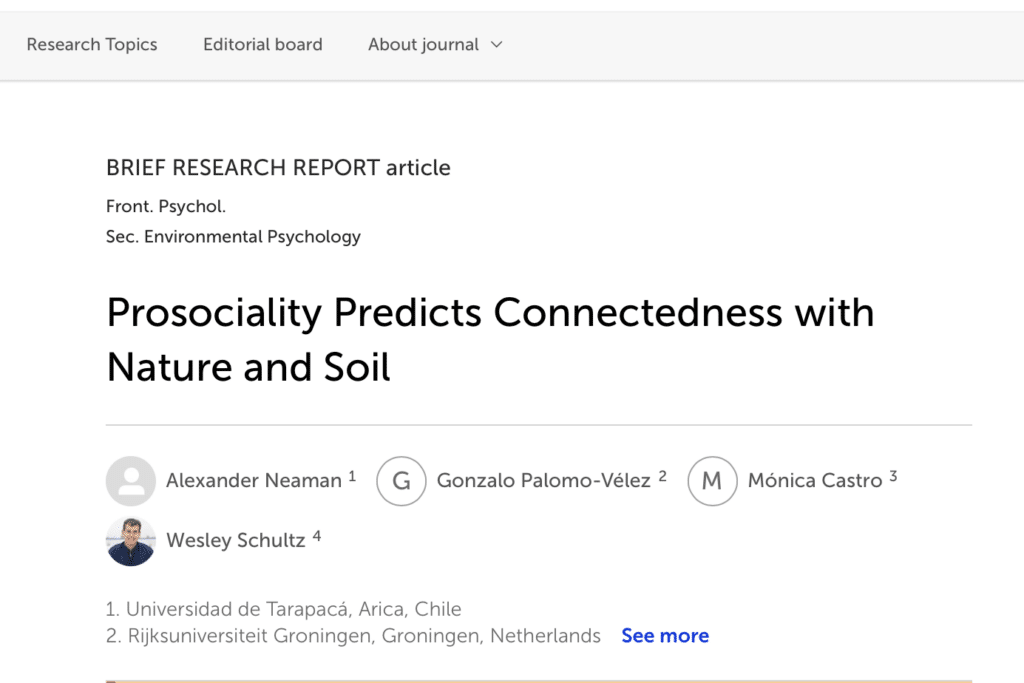
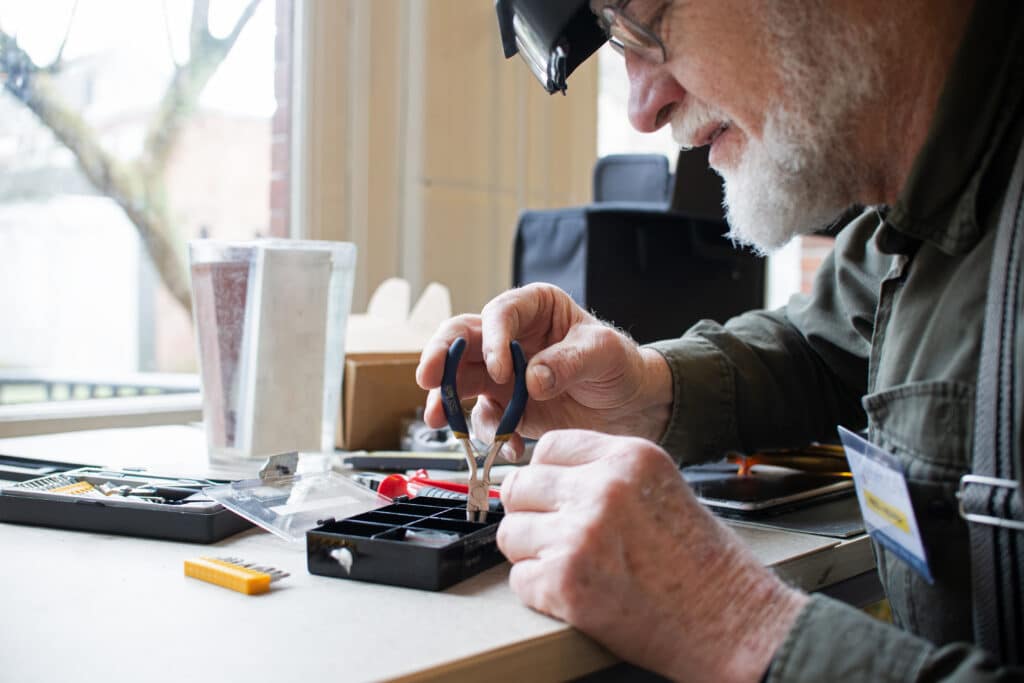
When science goes green
Laboratories are some of the most resource-intensive places within universities. Energy and water use, chemical waste, single-use materials and equipment replacement all have a negative environmental impact. How can behavioral interventions help scientists go greener?
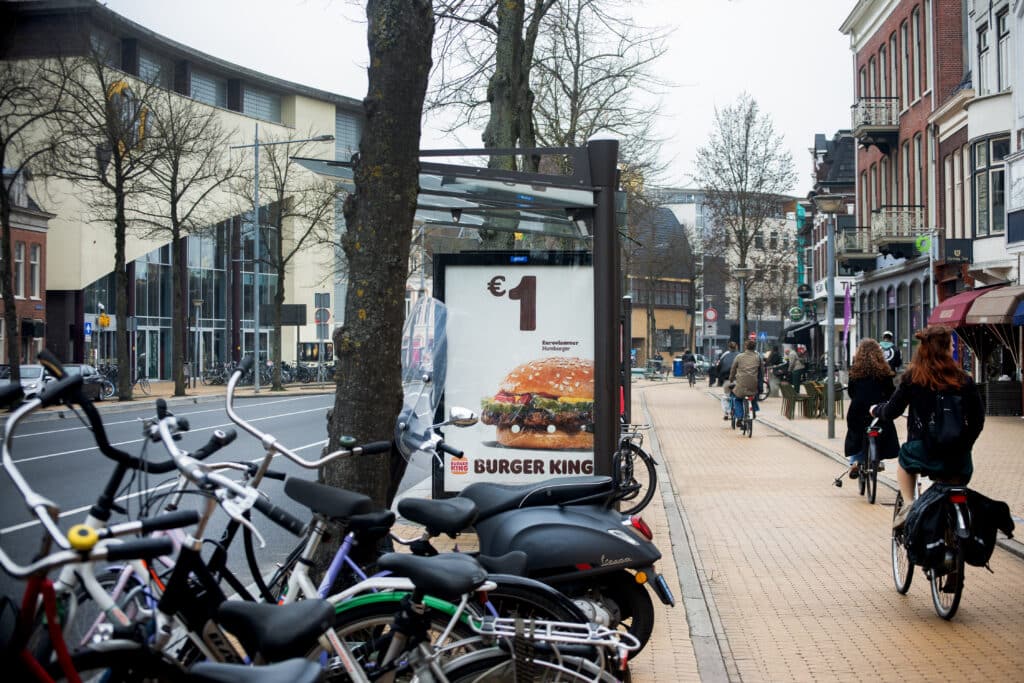
A fossil-fuel advertising ban is symbolic, and symbols really matter
The proliferation of ads for cheap air holidays and cruises can lull us into thinking that everyone does it, and can leave people who are trying to live more sustainably feeling like their efforts won’t amount to much against that critical mass of high emissions behavior.
Climate action and the coalition: betting on technology without changing demand or getting citizens involved is a missed opportunity
Insights from environmental psychology research can set up the coalition’s plans for greater acceptability and success, and set up The Netherlands for a more sustainable and just future free from fossil fuels.
Public perceptions and acceptability of sustainable transitions depend on who is developing them, how they’re developing and when the public is involved
Professor Goda Perlaviciute shares her research insights on public acceptability of sustainable projects, and how public trust depends on who is the developer is, how it is being developed, and how (and how soon) the general public is involved in the decision-making process.