
The potential of behavioral policy to prevent the worst case scenarios of climate change is vast. Structurally-embedded and effective behavioral policy can greatly reduce greenhouse gas emissions, increase the resilience and freedom of choice of Dutch citizens, and yield positive gains for our health, safety and nature. These are the conclusions of the Dutch Scientific Climate Council (WKR) in their advisory report, “Engage with behavior change! Making sustainable and adaptation behavior the norm”. The potential of behavior change is currently underutilized, and the government can do much more to tap into it. They can take the lead in three ways, first by making sustainable behavior more accessible and attractive, followed by making environmentally damaging behavior unappealing and simultaneously eliminating counterproductive incentives. The majority of Dutch citizens are motivated to behave more sustainably. “With the right policy tools, sustainable and adaptation behavior can become the norm”, according to Linda Steg, chairperson of the WKR advisory report.
Read the full report in English here.
Patronizing frame
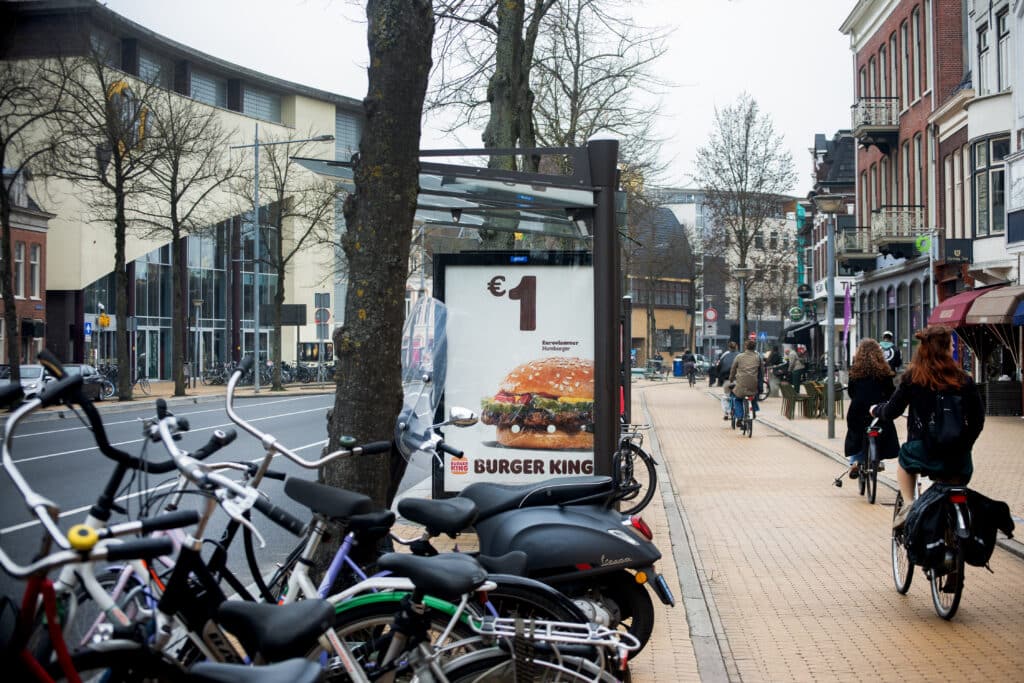
If people are willing to change and the potential of behavioral policy is so great, then why doesn’t it happen? Ideological convictions and vested interests result in political resistance to efforts to influence the choices and behavior of citizens. Interventions are often framed as patronizing, and we need to let that go. Instead of limiting freedom of choice, behavioral policy actually increases freedom of choice. For example, by removing barriers, people can engage in the behavior that they want or the behavior that they think matters because it’s good for the environment, their health or the well-being of humankind. The majority of the population is motivated to make different choices, providing those choices are made available to them and that they are equitable and fair. At the moment, the government permits commercial parties to constantly influence people’s behavior through advertising and supply of (often unsustainable) products. Established parties often have vested interests in stopping people’s consumption habits from changing. Their voice is one of the loudest in the public debate, and they have easier access to politicians and government officials. This works its way into policy decisions.
Recommendations for more effective behavioral policy:
- First, create a context where sustainable (decreases greenhouse gas emissions) and adaptation (adapting for climate risks) behavior is easy, affordable, attractive and seen as the norm. This can be achieved through positive incentives, such as reliable public transportation, a wide and affordable range of sustainable foods and creating more green space in neighbourhoods.
- Next, create policy that discourages behaviors that increase climate risks, such as reducing the number of parking spaces and introducing standards and pricing structures for meat and dairy.
- Simultaneously, incentives that encourage people to engage in behaviors that damage the environment – such as fossil subsidies and ads for air travel – need to come to an end.
Recommendations for more integral climate policy:
- Be more transparent about the influence of vested interests, and limit them. Get civic organisations and citizens more directly involved in developing policy.
- Ensure that policy focused on sustainable and adaption behavior is anchored in justice, for example by (further) increasing pricing for above average use, progressive taxes or compensation.
- Put the potential and necessity of structural behavioral policy within the government on the agenda at the direction level, and raise awareness and basic knowledge of behavior and capacity.
Small lifestyle changes can make a big difference
Two-thirds of greenhouse gas emissions in the Netherlands are the result of consumption. By making a limited number of changes to the lifestyle of the average Dutch person, we could save up to 17 megatons in CO2 emissions (11% of the total greenhouse gas emissions in the Netherlands). People living more sustainably and adapting to climate change will bring us closer to a liveable, healthy and safe future for the Netherlands. The time is now to get started with more effective and integral behavioural policy and thereby make sustainable choices the norm. Discerning behavioral policy will create more affordable and just climate policy, and will have a positive effect on the environment and public health.
You can find the full report in Dutch on our website at this link.
About the WKR
The WKR advises the Dutch government and parliament about the development of a climate-neutral and climate-proof society based on scientific insights from a broad range of disciplines and other societal challenges.