Read our latest blog posts

When science goes green

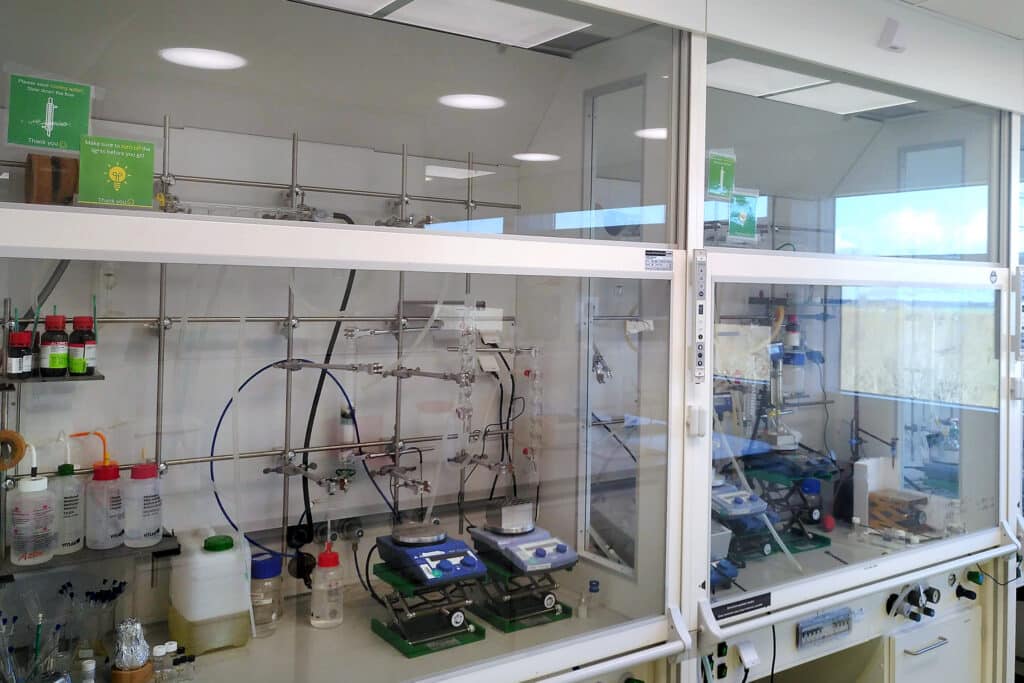
Laboratories are some of the most resource-intensive places within universities. Energy and water use, chemical waste, single-use materials and equipment replacement all have a negative environmental impact. How can behavioral interventions help scientists go greener?

Symposium: The roles of different actors in addressing societal challenges

What roles can - and should - different societal actors play in addressing complex societal challenges?

Featured blog posts

When science goes green

Laboratories are some of the most resource-intensive places within universities. Energy and water use, chemical waste, single-use materials and equipment replacement all have a negative environmental impact. How can behavioral interventions help scientists go greener?
Symposium: The roles of different actors in addressing societal challenges

What roles can - and should - different societal actors play in addressing complex societal challenges?

A fossil-fuel advertising ban is symbolic, and symbols really matter

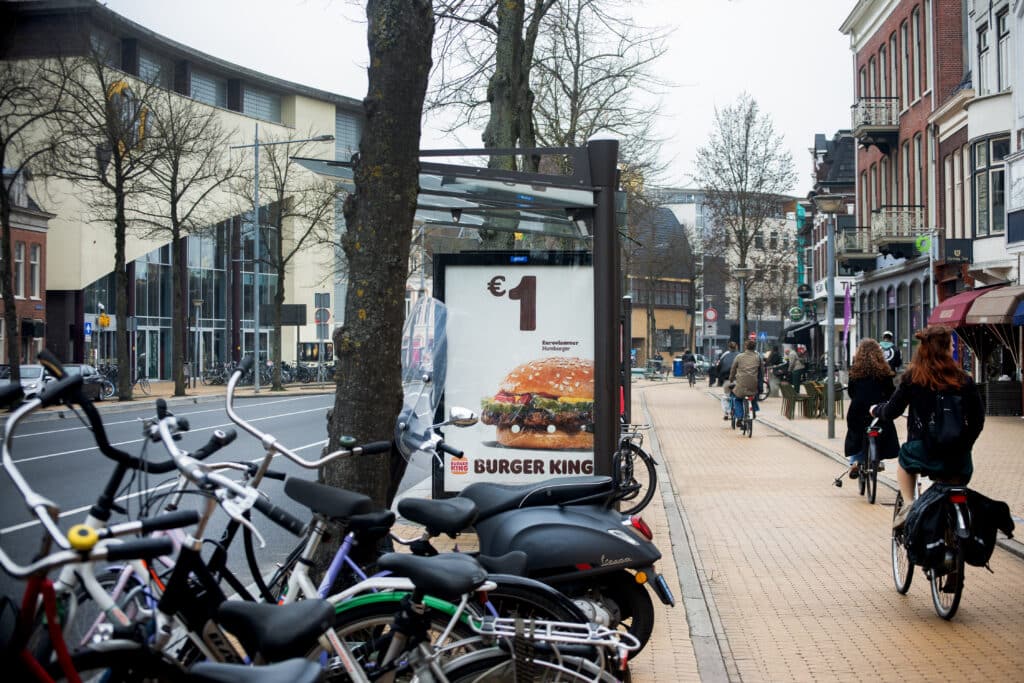
The proliferation of ads for cheap air holidays and cruises can lull us into thinking that everyone does it, and can leave people who are trying to live more sustainably feeling like their efforts won’t amount to much against that critical mass of high emissions behavior.

Circling back to behavior change

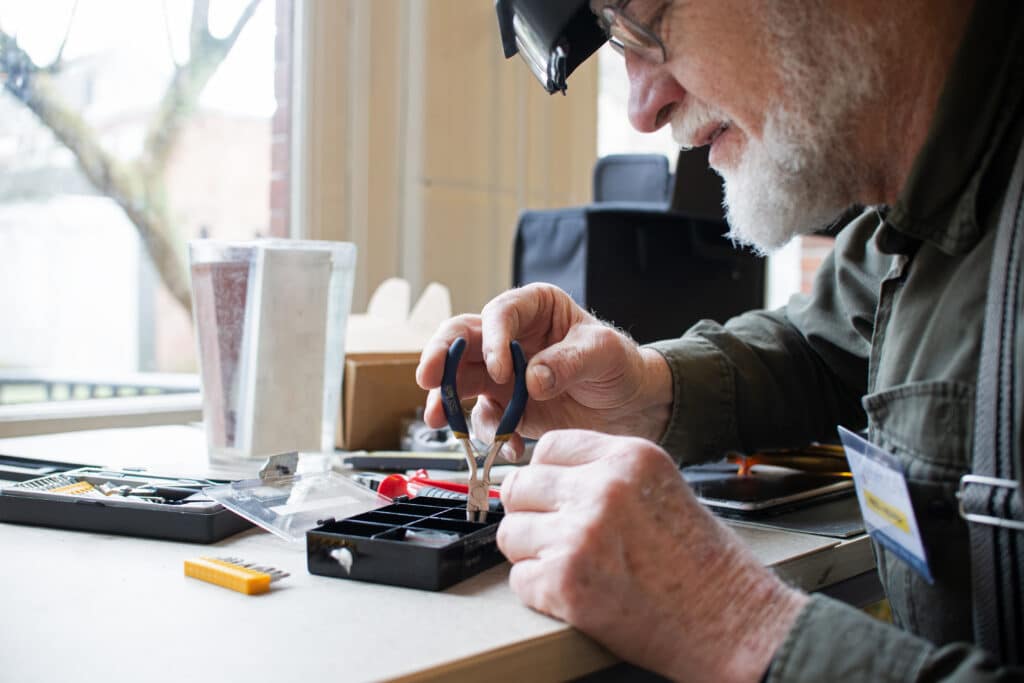
Policies that make it easier and cheaper for people to engage in circular behavior and using our voices to advocate for systems change becomes a self-fulfilling prophecy.

Meet the team: Yongzhang Li

Learn more about our colleague post doc Yongzhang Li's research

Meet the team: Gonzalo Palomo

Learn more about our colleague post doc Gonzalo Palomo's research

Climate action and the coalition: betting on technology without changing demand or getting citizens involved is a missed opportunity

Insights from environmental psychology research can set up the coalition’s plans for greater acceptability and success, and set up The Netherlands for a more sustainable and just future free from fossil fuels.

Climate policies: The swing group that decides their fate

The political fate of climate policy proposals is determined not by the loudest but rather by a large group in between.

What is it like to study in our master’s programme?

What do current and former students from the behavioral and social science master's programme have to say about their experience?

Engage with behavior change: making sustainable and adaptation behavior the norm

The Dutch Scientific Climate Council advises the government that the time is now to engage with more effective and integral behavioural policy, and make sustainable choices the norm.

Public perceptions and acceptability of sustainable transitions depend on who is developing them, how they’re developing and when the public is involved

Professor Goda Perlaviciute shares her research insights on public acceptability of sustainable projects, and how public trust depends on who is the developer is, how it is being developed, and how (and how soon) the general public is involved in the decision-making process.

A world without fossil fuels

Research from our department and a consensus from international scholars finds time and again that most people worldwide want fossil fuels and their associated harms to be significantly reduced.

Recent research recap: pro-environmental behavior at work

What motivates employees to be more environmentally-friendly while doing their jobs?

Values rise to the top in Dutch National Climate Citizens Assembly

Values like the importance of listening to citizens, and to each other, engaging everyone, and ensuring that polluters pay emerged over the months of meetings by the 175 participants in the Dutch National Climate Citizens' Assembly.

How Environmental Psychology Groningen came to be

Emeritus professor Charles Vlek has written a memorandum (book report) spanning four decades of research done by what is now known as Environmental Psychology Groningen (EP).

Read all of our blog posts

Symposium: The roles of different actors in addressing societal challenges

A fossil-fuel advertising ban is symbolic, and symbols really matter

Climate action and the coalition: betting on technology without changing demand or getting citizens involved is a missed opportunity

Climate policies: The swing group that decides their fate

What is it like to study in our master’s programme?

Engage with behavior change: making sustainable and adaptation behavior the norm

Public perceptions and acceptability of sustainable transitions depend on who is developing them, how they’re developing and when the public is involved

Recent research recap: pro-environmental behavior at work

Values rise to the top in Dutch National Climate Citizens Assembly

How Environmental Psychology Groningen came to be

Recent research recap: creative capital in energy governance

Recent research recap: circular citizenship behaviors can accelerate the transition

“The people at home want solutions”: most voters support strong climate policy

Associate professor Thijs Bouman receives Vidi subsidy for research on cynicism and climate effort

CAPABLE: new online tool shows which climate policies EU citizens like – and which ones they don’t

Behavioural change is necessary for scaling up mobility innovations

Recent research recap: What causes people to adopt sustainable technologies?

Can watching a movie make us into Antarctic ambassadors?

Podcast episode: The Hague’s fossil fuel ban (with Thijs Bouman)

Recent research recap: Focus of Conversations Influences Willingness to Talk about Environmental Issues

Stopping climate change, one diaper at a time

Recent research recap: How Nature Availability Affects Nature Connectedness

Research in tandem: dual degree master in sustainability and environmental psychology

Recent research recap: Climate Action on Twitter (now X) during COP26

“Sustainable behavior largely depends on access”: Linda Steg speaks with the Dutch National Citizens’ Assembly on Climate

Disappearing funding and disappearing words: how budget cuts and government policy are threatening academic research

Can behavior change increase biodiversity?

1.5 minutes about how we can improve dialogue between citizens and the government

Our most significant environmental psychology research insights from 2024

Can insurance adapt to climate change?

We don’t have to wait on national climate laws to take climate action

2024 in review: check out our scientific publications

Goda Perlaviciute among new Aletta Jacobs professors at University of Groningen

Later is too late: how can governments act now to empower climate action?

Lees onze nieuwste educations

Got questions?
Contact us!